
If you're trying to hit pro forma targets while delivering a clean, modern aesthetic, you've probably noticed the same thing: premium windows and doors are eating a disproportionate share of the envelope budget. That is why many developers look at European aluminum windows: for the design and operation they bring, and to see whether a matched landed price beats the domestic quote.
European aluminum windows can suit a US development when their sightlines, opening sizes, documented performance and delivery schedule match the project. Confirm the total installed cost against the domestic alternative. Plan within the roughly 9-16 week range from approved shop drawings to site, with aluminum toward the upper end, confirmed per order.
The Short Version
Cost: Compare the same schedule and performance requirements, including delivery, customs, installation and site work. A lower factory price is not proof of a lower installed total.
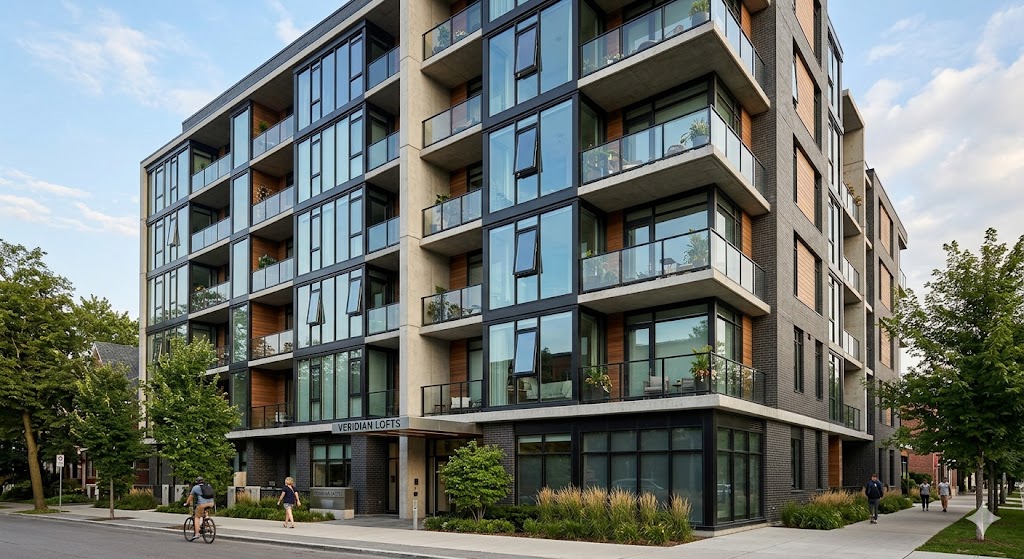
Design: Slimmer sightlines, larger panel sizes, and high-performance tilt-turn and lift-slide systems deliver a contemporary look with better operability and strong acoustic and thermal performance.
Compliance: NAFS test data on many configurations and NFRC-rated units on selected systems where the permit needs them - see NFRC and NAFS for European windows - so the question is settled before inspectors, lenders, or energy consultants ask.
What Counts as European Aluminum Windows?
Not all European systems are the same. In this context, I mean:
- Slim-frame aluminum profiles with narrow sightlines
- Steel-look aesthetics without bulky muntins
- Tilt-turn windows and lift-slide doors for oversized openings
- Factory-glazed units with warm-edge spacers and modern low-E glass
- Powder-coated or anodized finishes suitable for coastal and urban conditions
These systems are engineered for large spans, high air and water resistance, and refined detailing - well suited for multifamily, hospitality, mixed-use, and high-end residential projects. The same import logic applies to the other three materials I source - uPVC, wood and aluminum-clad wood; aluminum is simply where most developer packages land.
Is Importing European Windows Worth It?
It comes down to package size, design intent and schedule. Here is how I call it on a first review:
| Worth it when | Usually not worth it when |
|---|---|
| The package fills most of a shipping container, so freight is spread thin | The scope is a handful of units - a part-container shipment carries a freight minimum |
| The design calls for slim sightlines, big glass or tilt-and-turn operation | The spec is builder-grade and the comparison is a stock window |
| The schedule allows roughly 9-16 weeks from approved drawings, aluminum toward the upper end | The windows are needed in a few weeks and only air freight would work |
| The team is open to value engineering on sizes, glazing and operation mix | Fire-rated assemblies are required (specify a separate rated system) |
If most of the left column fits, run the schedule through my estimator: it returns a landed range for uPVC and two aluminum packages side by side, so you can see the import number before you commit to anything.
Where a Saving Can Come From
Teams often assume freight and tariffs will kill the advantage. Sometimes they do; sometimes the landed price still comes in under the domestic quote. The only way to know is to price the same schedule both ways.
Where a European package can gain:
- System pricing on precision aluminum profiles, compared before freight and duty
- Factory glazing, which reduces on-site glazing labor and weather exposure
- Container planning and consolidated shipments, which spread freight across more units
- Value engineering on sizes, glazing and operation mix that keeps the look
| Cost component | US premium brand | European import (DDP) |
|---|---|---|
| Window and door units | From the domestic quote | From the European quote |
| Freight, duty and customs | Usually included | Included in the DDP price |
| On-site glazing labor | Depends on the product | None for factory-glazed units |
| Total to compare | Installed quote | Landed DDP plus installation |
For the full tariff breakdown, see the 2026 tariff cost comparison.
Design Advantages
- Slim sightlines - the narrow profiles you see in European architecture are the standard, not the exception
- Oversized openings - lift-slide doors and large fixed panels enable wider spans with smooth operation
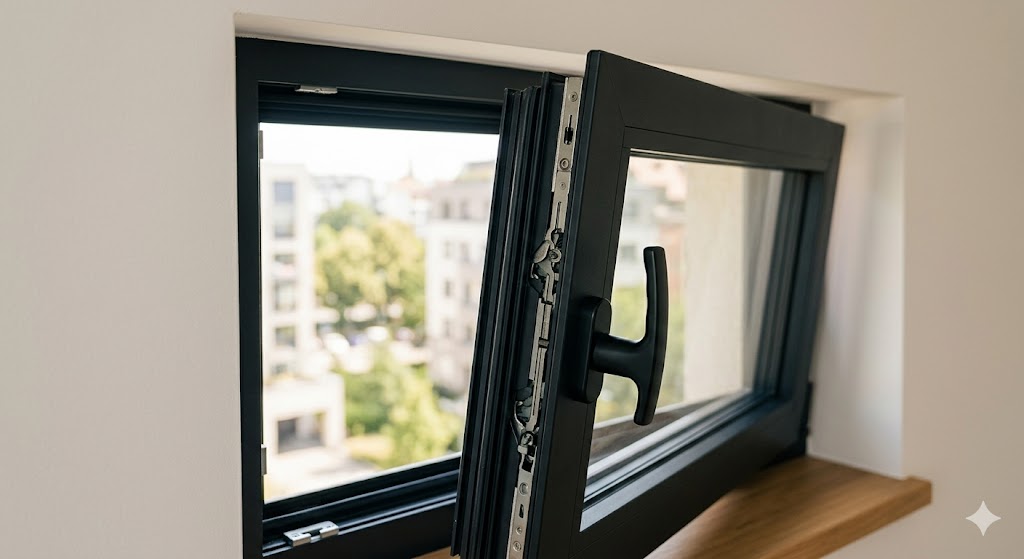
- Tilt-turn operability - one sash provides inward tilt for ventilation and full swing for egress. No crank operator to wear out; the hinges and locks are adjustable. See the European hardware guide.
- Thermal and acoustic performance - multi-chamber thermal breaks, warm-edge spacers, and triple-gasket seals. For guidance on triple glazing, see the triple vs. double analysis.
- Durable finishes - architectural-grade powder coatings and marine-grade options that resist UV and salt air
Compliance: How Imported Windows Meet U.S. Codes
Code compliance is the main reason teams hesitate. With proper coordination, these risks are manageable.
Three areas that may come up depending on your jurisdiction and project type:
- NAFS ratings - performance grade plus air, water, and structural results. Can support your submittal if the AHJ or plan reviewer asks for it.
- NFRC values - U-factor, SHGC, visible transmittance aligned with your climate zone. Helpful for energy code compliance if needed.
- Safety compliance - tempered or laminated glazing per ANSI Z97.1, plus egress where applicable.
I can provide NAFS test data for many configurations and NFRC-rated units on selected systems where the permit needs them, along with the supporting data your GC, architect, and energy consultant may need for review.
The Timeline
| Phase | Timeline |
|---|---|
| Budget estimate | Same or next working day |
| Design assist and value engineering | 3-5 business days |
| Shop drawings and submittals | 2-3 working days after review |
| Production, logistics and DDP delivery | Roughly 9-16 weeks from approved drawings, by material and coast, confirmed per order |
| Install support and closeout | Sequenced delivery, warranties, spare parts |
FAQ
Is importing European windows worth it for a developer? Importing can make sense when the documented product capabilities and total installed quote fit the project, and the schedule allows production and shipping. Confirm freight allocation, service responsibilities and the actual delivery plan before choosing the supplier.
What about lead times? Plan on roughly 9 to 16 weeks from approved shop drawings to site, depending on material and coast, with the schedule confirmed per order. The phases are in European window lead times.
Will inspectors accept foreign test reports? Often, when the NAFS test reports match the configuration being installed and are presented clearly - but acceptance is the reviewer's decision, so confirm early. Where the energy code or permit needs an NFRC label, NFRC-rated units are available on selected systems.
Is there a minimum order size? Any scope can be priced, but larger packages that fill a container use freight most efficiently. Small orders ship as a part container with a freight minimum, so they carry more freight per window. For installation details, see the bracket mounting guide.
Bottom Line
If your project demands a modern aesthetic, strong performance, and a budget that works, importing European aluminum windows is worth pricing against the domestic alternative, with the compliance documentation planned from the start. The key is working with a partner who's transparent on costs, manages the import process, and delivers submittal-ready documentation. For the mechanics, see how to import windows from Europe; for the numbers, how much European windows cost or a quick range from the estimator.
Request a Quote | Schedule a Call
Kai, your window guy!