
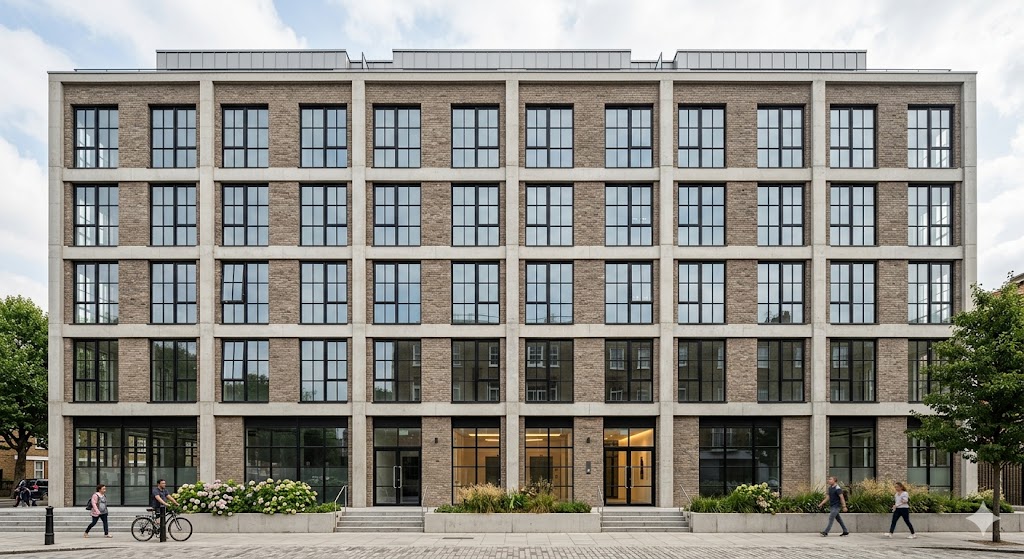
Your client wants that iconic gridded black-metal look. But the budget, energy model, or maintenance plan says not so fast. Sound familiar?
Steel-look thermally broken aluminum is an alternative to steel windows when you want narrow profiles and dark grids. Compare the actual sightlines, whole-window thermal ratings, structural limits and installed prices. Thermally broken steel, wood and fiberglass may also suit the project.
This post compares those options and covers replacing existing steel windows like for like. If you already know you want the look, my steel-look windows page lists the systems I source and how a US order works.
What Are the Alternatives to Steel Windows?
- True steel (hot-rolled, including thermally broken versions). The thinnest sightlines and the only option where a listed fire-rated steel assembly or a heritage rule demands steel. Highest cost and longest lead time; plain steel performs poorly on heat loss.
- Steel-look aluminum. The same visual language in thermally broken aluminum - slim sections, putty-line stops, simulated divided lites - with factory powder coat and modern U-factors. Covers most residential and commercial steel-look briefs.
- Wood, clad wood or fiberglass with black grids. The budget route to a gridded look. Frames are visibly wider and the grid sits on a conventional sash, so it reads as "black windows" rather than steel.
What Are Steel-Look Windows?
Thermally broken aluminum frames engineered to replicate classic hot-rolled steel: slim stiles and rails, square shoulders, putty-line glass stops, and narrow muntin patterns. Instead of solid steel, you get aluminum with a thermal break, factory finishing (matte black is the go-to), and simulated divided lites (SDLs) that convincingly mimic true divided steel glazing. If you want to price that look window by window, my breakdown of black aluminum windows cost has the per-size numbers for standard and steel-look systems.
Why architects specify them:
- Aesthetic fidelity to traditional steel with modern thermal performance
- Broader size and configuration range (including tilt-turn) while keeping narrow profiles
- Usually a lower price and simpler sourcing than true steel - confirm with a matched steel quote
Steel vs. Steel-Look Aluminum: Side-by-Side
| Factor | True Steel | Steel-Look Aluminum |
|---|---|---|
| Sightlines | Ultra-slim (possible sub-1" profiles) | Slim (typically 1"-1.5" visible) |
| Thermal performance | Poor without modification | Strong - thermally broken with warm-edge IGUs |
| Cost | $$$-$$$$ | $$-$$$ |
| Lead time | Confirm in the supplier quote | Typically 9-16 weeks from approved shop drawings to site; confirm project schedule |
| Maintenance | Periodic finishing required | Powder coat - low maintenance |
| Fire rating | Yes (with listed assemblies) | No - specify a separate rated system |
| NAFS/NFRC compliance | Complex; often project-specific | Compliance path available |
For most exterior envelopes and interior partitions that don't need a fire rating, steel-look aluminum can replicate the design intent with better energy performance than plain steel, often at a lower total cost - confirm both on matched quotes. See also my uPVC vs aluminum guide for a broader material comparison.
Can Aluminum Replicate Existing Steel Windows?
Yes, in most cases - and replacement is where steel-look aluminum earns its keep, because old single-glazed steel windows are usually the coldest, leakiest part of the building. A like-for-like replacement works in four steps:
- Survey the existing windows. Face widths of frames, sashes and muntins, the glass division pattern, opening types and hardware positions - measured, not read off old drawings.
- Match sightlines and profile shape. Choose a slim system whose visible faces and square putty-line stops come closest to the existing steel, then keep the same bar width across every elevation. Reynaers SlimLine 38 and Aliplast Max Light Steel are the two platforms I use for this.
- Match the grid. Simulated divided lites with an internal spacer between the panes reproduce the original division without single-glazed lites.
- Check approvals before ordering. Where a landmark or historic commission controls the facade, confirm whether it accepts aluminum. Where it insists on steel, aluminum will not pass, and the answer is thermally broken steel.
The upgrade you get on top of the look is thermal: SlimLine 38 reaches U-0.16 with triple glazing in its Classic HI version, against single-glazed steel that was never designed to insulate. For commercial replacement scopes, send the existing elevations and I'll show the closest match side by side before pricing.
Where the Cost Savings Come From
Price the steel and aluminum assemblies on the same schedule, including glass, finish, hardware, delivery and installation. The black aluminum price guide provides supplied-price examples; it does not establish a universal saving against steel.
Where steel adds cost: Hot-rolled profiles, welding and finishing, higher hardware loads, more on-site glazing work.
Where aluminum saves: Extruded profiles, factory glazing, lighter handling, faster install with fewer trades. Where the selected system offers a nailing flange, it simplifies anchorage and integrates with the WRB and flashings.
For how freight, customs and duty build up to the landed number, see how much European windows cost, or run a steel-look schedule through the estimator - it prices steel-look aluminum as its own tier.
Design Details That Sell the Illusion
Sightlines and profiles. Square, putty-line glass stops mimic steel glazing beads. Consistent narrow sightlines across fixed and operable units prevent frame bloat.
Grids that look real. SDL bars with an internal spacer (back-to-back bars around a black spacer) preserve the true divided look without thermal penalties. Keep bar widths consistent across the elevation and align grids across adjacent modules. You can see this detail at full size in the Hill Road site photos - a two-story gable grid in quartz grey, shot during install before the cladding went on.
Hardware. Minimal square-backplate handles and low-profile hinges in matte black or brushed stainless reinforce the industrial character.
Finishes. Low-gloss black (RAL 9005 matte) is the standard. Deep grays and warm neutrals work when black is too stark. Match bar and spacer colors to avoid visual breaks.
Where Steel-Look Makes the Most Sense
- Multifamily and hospitality exteriors that need character without inflating envelope budgets
- Amenity spaces and lobbies requiring large gridded panes and lift-slide doors
- Design-build teams using slim-frame and steel-look systems to win RFPs with visible upgrades
- Townhomes and custom residential seeking historic references with modern performance
- Interior partitions (non-rated) like glass-box offices and gallery walls
When Do People Consider True Steel?
- Fire-rated assemblies where a listed steel system is required
- Heritage mandates calling for specific steel sections or ultra-micro sightlines
- Extreme spans or bespoke shapes that exceed standard aluminum system limits
In practice, steel-look aluminum covers most steel-look briefs outside those cases, usually with better thermal performance than plain steel and at a lower price. I specialize in steel-look aluminum profiles like the Reynaers SlimLine 38 and Aliplast Max Light Steel, and can show you how close the match really is. Send your elevations and I'll have a budget estimate back to you the same or next working day - shop drawings within 2-3 working days after review.
Performance to Confirm
These aren't just cosmetic solutions. Well-designed steel-look windows can deliver:
- Thermal: Thermally broken frames with warm-edge spacers and low-E IGUs
- Air and water: Compression gaskets and precision machining
- Acoustics: Multi-pane IGUs with laminated lites for STC and OITC targets
- Durability: Powder coat or anodize resists UV and corrosion, with marine-grade options for coastal projects
- Compliance: NAFS documentation is available for many configurations, and NFRC-rated units on selected systems where the permit needs them. Consider triple vs. double glazing based on climate zone.
FAQ
What is the best alternative to steel windows? Steel-look aluminum is one practical alternative, subject to the required appearance and tested performance. True steel may suit architectural preferences, preservation requirements or a specified rated assembly. Confirm the project requirements before selecting the material.
Can old steel windows be replaced with aluminum like for like? Yes, in most cases. Survey the existing face widths and glass division, match them with a slim steel-look aluminum system and simulated divided lites, and confirm with any landmark or historic commission before ordering. Where the commission insists on steel, use thermally broken steel instead; otherwise aluminum gives the same look with modern glazing.
Will it look fake compared to real steel? Steel-look aluminum does not look fake if sightlines, stop geometry and grid details are controlled. With simulated divided lites over an internal black spacer, square putty-line stops, consistent bar widths and a low-gloss finish, most viewers read it as steel. The giveaways are usually inconsistent bar widths or glossy paint.
Do these meet U.S. codes? Yes, steel-look aluminum windows can meet U.S. codes when specified correctly. NAFS documentation is available for many configurations, and NFRC-rated units on selected systems if your AHJ or energy consultant asks for them. Egress is checked unit by unit at specification. For fire-rated assemblies, specify a listed system separately.
Do you offer tilt-turn in a steel-look profile? Yes. Steel-look aluminum comes in tilt-turn, casement and fixed windows, and lift-slide doors and even pivot doors for luxury entries can be specified in the same visual language, so a whole elevation keeps one frame width and grid. Reynaers SlimLine 38 and Aliplast Max Light Steel cover the window types I quote most often.
Next Steps
Send elevations, the window schedule, and any baseline quote. I'll return sightline recommendations for the best steel-look aluminum profile for your project, a performance summary for submittals, and a clear landed cost.
Request a Quote | Schedule a Call
Kai, your window guy!