Aluminum-Clad Wood Windows
real timber inside, weather armor outside
A clad window is a wood window whose exterior faces are covered by an extruded aluminum shell. The wood does the structural and thermal work; the aluminum takes the weather and carries the exterior color. The four clad systems on this page are built by my timber manufacturer in Poland and delivered DDP to your site - I coordinate the drawings, the order and the shipment.
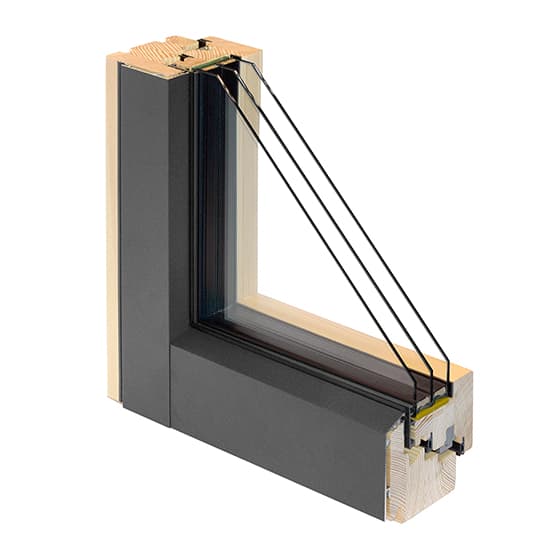
What a clad window actually is (and is not)
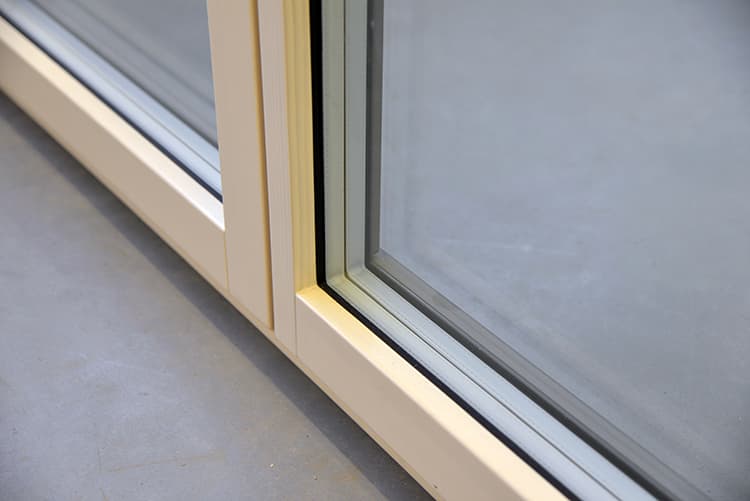
The cladding is an extruded aluminum shell clipped to the outside of the frame and the sash on clips. It is not glued to the wood. Between the shell and the timber there is a ventilated gap, so any moisture that gets behind the shell dries out instead of sitting against the wood. From the street you see aluminum. From the room you see solid laminated wood - a three-layer scantling on the concealed-sash line - with a stain or lacquer on it.
Two things it is not. It is not an aluminum window with a wood veneer on the inside: the frame and sash are wood through and through, and the aluminum is a cover, not the structure. And it is not a PVC-wrapped window: the exterior is a powder-coated metal extrusion, not a plastic sleeve. The concealed-sash version, Synergic, is the timber counterpart of the aluminum systems on my hidden sash windows page.
| Element | Material | Job |
|---|---|---|
| Structure | Laminated wood | Carries the glass, the hardware and the loads |
| Thermal performance | Wood core plus the glazing unit | Insulates; the shell sits outside the thermal line |
| Weather face | Extruded aluminum shell | Takes rain, UV and temperature swings |
| Exterior color | Powder-coated aluminum | Any RAL, matte or textured, or a wood-grain decor |
| Interior finish | Stain or lacquer on wood | Transparent stain or opaque color, chosen separately |
Why clad windows got interesting for US imports in 2026
The main reasons are the timber interior and reduced exposure of the exterior wood. Import charges are a separate, project-specific check: I confirm the product classification and applicable charges with the customs broker before finalizing a DDP quote. Cladding alone does not establish the customs treatment or a cost saving.
There is also the maintenance schedule. Exposed exterior timber needs its finish renewed periodically; an aluminum shell reduces that work, while still needing cleaning and coating checks. Then there is the room itself: an oak or pine interior reads warmer than a metal frame, and on a custom home that is usually why the client asked for wood in the first place. The cladding lets them keep the interior they wanted with less exposed timber to maintain outside. The longer version of that trade-off is in aluclad vs aluminum vs wood windows.
The four clad systems I quote
All four come from one timber manufacturer in Poland - the same one that builds my uncladded wood lines - and all four sit in the aluclad category. The selection question is what the exterior should look like: flush and flat, sash concealed, deeper profiles for low-energy design, or a sliding wall of glass.
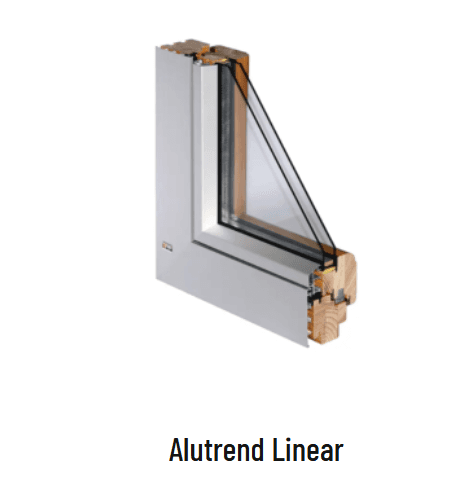
Flush exterior
Alutrend Linear
- Frame and sash sit flush on the outside - one flat plane, no stepped sash
- 90 mm (3 9/16 in) frame depth, 3 sealing lines, pine, meranti or oak
- Interior transparent or opaque RAL; exterior any RAL or a wood-grain decor on the aluminum
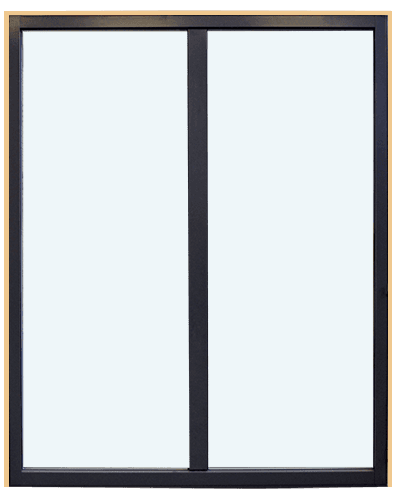
Concealed sash
Synergic
- Opening sash sits behind the frame from outside, so fixed and operable units read the same
- 81.5 mm (3 3/16 in) frame, 91.5 mm (3 5/8 in) XL; triple glazing, packages up to 58 mm (2 5/16 in) in the XL
- Concealed hinges rated for 150 kg (about 330 lb) sash load; RC2; Rw up to 48 dB
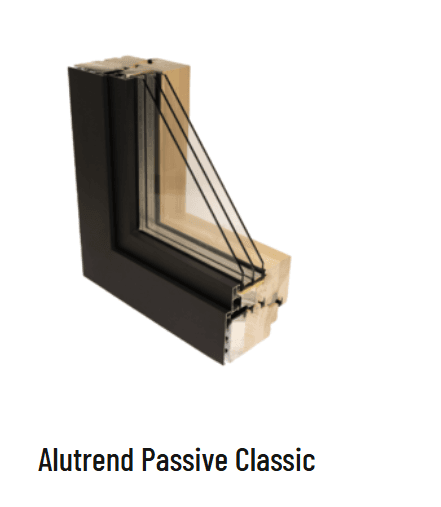
Insulated frame
Alutrend Passive Classic
- 123.5 mm (4 7/8 in) overall depth: a foam insulation insert around a 68-92 mm (2 11/16 - 3 5/8 in) wood core
- System described by the supplier as Passivhaus Institut certified; welded aluminum corners with an invisible weld
- Triple glazing standard, packages 24-44 mm (15/16 - 1 3/4 in), warm-edge spacer
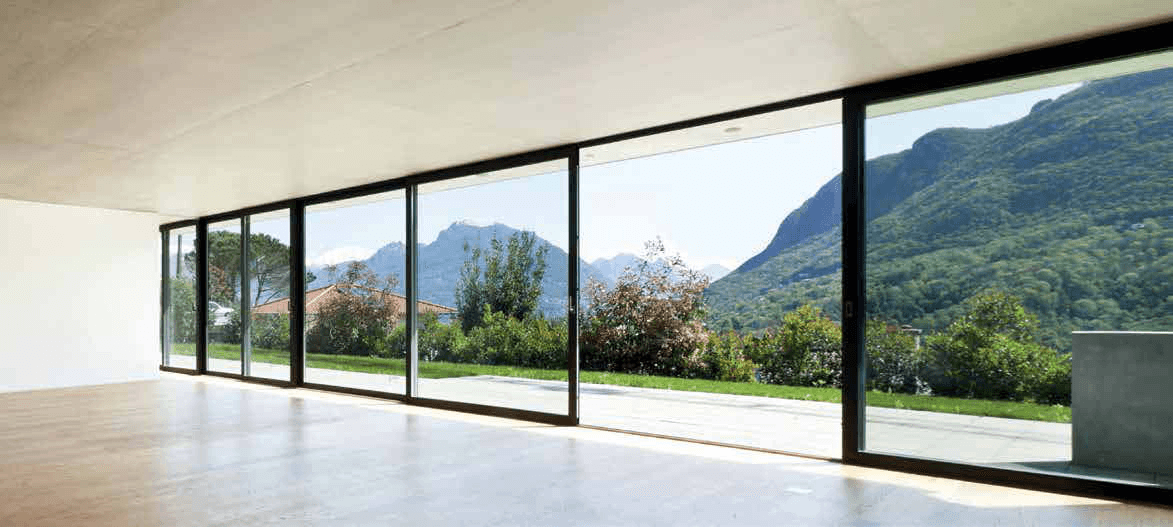
Illustrative manufacturer interior - not a Windows Guy project.
Patio door
Synergic Lift & Slide
- Lift-and-slide operation for a wide patio opening
- Moving panel(s) plus expansive fixed glazing, in timber or aluminum-clad timber
- Fixed glazing and the moving-door threshold are detailed separately for each opening
| System | Frame depth | Sealing lines | Glazing | Published Uw (approx. U-factor) | Notes |
|---|---|---|---|---|---|
| Alutrend Linear | 90 mm (3 9/16 in) | 3 | Standard or triple | 1.1-1.2 W/m2K (about 0.19-0.21), lower with triple | Flush exterior |
| Synergic | 81.5 mm (3 3/16 in); 91.5 mm (3 5/8 in) XL | 3 | Triple, up to 58 mm (2 5/16 in) in the XL | Down to 0.78 W/m2K (about 0.14) | Concealed sash, RC2, Rw up to 48 dB |
| Alutrend Passive Classic | 123.5 mm (4 7/8 in) | 3 per sash | Triple, 24-44 mm (15/16 - 1 3/4 in) | 0.61-0.76 W/m2K (about 0.11-0.13) | Supplier-published PHI certification, RC1 / RC2, 32-45 dB |
| Synergic Lift & Slide | Per project | - | Per project | - | Lift-and-slide patio door |
Uw in W/m2K as published by the system; the U-factor in brackets is the conversion to Btu/h.ft2.F. Project values depend on size and glass, and none of these are NFRC ratings. The supplier publishes a Passivhaus Institut certification claim. I request the exact certificate and applicable configuration for a project; project compliance is assessed per size, glass and install; see passive house windows.
Aluminum-clad vs PVC-clad vs full aluminum vs bare wood
Four constructions with different exterior materials and maintenance needs. Full thermally broken aluminum is the right call when the opening is very large or the sightlines have to be as slim as possible - how the thermal break works. Bare wood is for projects where the exposed timber exterior is the point and the finish schedule is accepted. Different, not worse.
| Aluminum-clad wood | PVC-clad wood | Full aluminum | Bare wood | |
|---|---|---|---|---|
| Exterior material | Powder-coated extruded aluminum shell, clipped on over a vented gap | PVC cladding over a wood frame | Thermally broken aluminum profile | Lacquered timber |
| Interior material | Solid laminated wood | Wood | Aluminum | Solid laminated wood |
| Exterior maintenance | Wash, check drainage slots, inspect the coating | Wash and inspect the coating | Wash and inspect the coating | Periodic finish renewal |
| Interior feel | Warm timber | Wood | Metal, slim | Warm timber |
| Thermal behaviour of the frame | Wood core insulates; the shell is outside the thermal line | Wood core insulates | Depends on the thermal break; conducts more than a wood frame | Wood insulates |
| Exterior color options | Any RAL powder coat, matte or textured, wood-grain decor | The maker's palette | Any RAL powder coat | Any stain or opaque color |
| Where I recommend it | Custom homes that want timber inside and a colored, low-upkeep exterior | Where local service, availability and budget lead the decision | The largest spans and the slimmest sightlines | Traditional homes and renovations where the exposed timber is the point |
Colors: two finishes, chosen separately
The aluminum shell and the wood interior are finished independently. Outside: any RAL powder coat, matte or textured, or a wood-grain decor on the aluminum. Inside: a transparent stain that shows the grain, or an opaque RAL or NCS color, over a water-based hybrid lacquer.
The usual custom-home pick is a dark exterior - anthracite or black - with natural oak inside, and the order form treats those as two separate lines. Browse the RAL palette and read how European window colors and finishes work.
Outside: aluminum
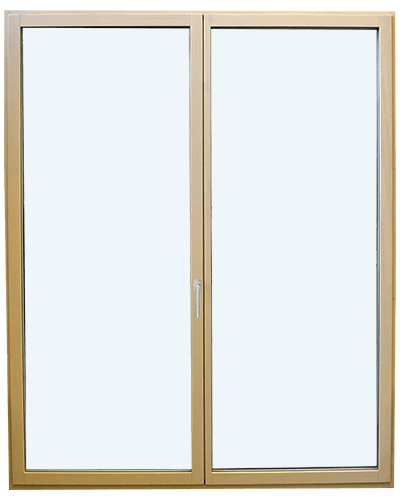
Inside: timber
Maintenance: what the cladding removes and what stays
Exterior
Wash the aluminum with water and a mild detergent and keep the drainage slots at the bottom of the frame clear. Inspect the coating, joints and seals too, and follow the system care instructions for damage or exposed locations.
Interior
Treat the wood like furniture: wipe it down, keep standing water off the sill, and touch up the lacquer only where it has been knocked through.
Hardware
Normal care - a drop of oil on the moving parts when you service the rest of the house.
Sealed glazing units
The same as any modern window. The cladding changes nothing about the glass.
Species and interior finish
Pine, meranti and oak are the standard species on the clad lines; larch and spruce are available on request on the concealed-sash system. The timber is laminated scantling, not solid plank - three layers with alternating grain on the concealed-sash line - which keeps the frame straight.
The interior takes a water-based hybrid lacquer as standard, either as a transparent stain that shows the grain or as an opaque color. The species table, the uncladded lines and how the finishes age are on the wood windows page.
How an order runs
Five steps, one point of contact: you prepare the openings and receive the truck.
- 1
Send the drawings
Window schedule or elevations, whatever you have. I mark up what still needs a decision: opening types, sizes, glass, exterior RAL, interior finish.
- 2
Quote and shop drawings
You get a DDP estimate first. Once the system and both finishes are fixed, shop drawings come back for approval before anything is cut.
- 3
Production in Poland
The frames are laminated, machined, clad, glazed and finished at the factory. I check the order confirmation against the approved drawings line by line.
- 4
Container and customs, DDP
The units are crated and shipped by container. The broker classifies the goods, I settle the duties and clearance, and nothing lands on you at the port.
- 5
Delivery
Trucked to your site. Production and delivery timing is confirmed for your system, finish and order before approval.
The full import sequence is in the DDP import guide, and the stage-by-stage timing in European window lead times.
Aluminum-clad windows - common questions
What is a clad window?+
A clad window is a wood window whose exterior faces are covered by an extruded aluminum shell. The shell is clipped to the outside of the frame and sash over a ventilated gap; the wood carries the structure and the insulation, the aluminum takes the weather and the exterior color. From inside the room it is a solid laminated wood window.
Can you paint aluminum-clad windows?+
The factory powder coat is the finish - any RAL, matte or textured, or a wood-grain decor, applied before the shell goes on the frame. Field repainting is possible, but it is not the plan: pick the RAL at order and that is the color. The interior wood can be restained or lacquered like any other woodwork in the house.
Is aluminum-clad better than PVC-clad?+
Different. PVC-clad wood is another construction. Compare the specific coating, warranty and local service arrangements. Aluminum-clad gives you a powder-coated metal exterior in any RAL, a ventilated gap behind the shell, and European frame depths with three sealing lines. Which one is right depends on what the project is optimizing for.
How long does the aluminum cladding last?+
I do not put a year count on it. The shell is a powder-coated aluminum extrusion with no organic material exposed to the weather, and the gap behind it is ventilated so the timber stays dry. What ages on a wood window is the finish on the wood - and on a clad window that finish lives indoors.
How are import charges confirmed?+
Import treatment depends on the product construction, origin and rules in force when it enters the US. I confirm the classification and applicable charges with the customs broker for the proposed system before finalizing a DDP quote. An aluminum exterior alone is not enough to determine the classification or promise a saving.
Can the inside be a different color from the outside?+
Yes, and it usually is. The exterior aluminum takes a RAL powder coat, and the interior wood takes a transparent stain or an opaque RAL or NCS color - two finishes, chosen separately on the order. A dark exterior with natural oak inside is the most common combination on custom homes.
Speccing clad wood
for your next build?
Send me the drawings or the window schedule and I'll come back with a DDP estimate for the clad system that fits the elevation. Browse the timber reference cards in Studio, or just get in touch.